
For many businesses, industrial machinery is a significant investment that helps keep operations running efficiently. However, as technology advances and operational requirements change, equipment can quickly become outdated, damaged or simply no longer needed.
Whether you’re upgrading production lines, relocating premises, clearing a warehouse or closing a facility altogether, knowing what to do with redundant machinery is an important part of responsible business management.
The good news is that much of the metal contained within industrial equipment can be recycled and recovered for future use. By working with an experienced recycling partner, Belfast businesses can reduce waste, free up valuable space and ensure machinery is handled in an environmentally responsible manner.
In this guide, we’ll explore the best ways to recycle redundant machinery and why metal recycling plays such an important role in modern industry.
What Is Considered Redundant Machinery?
Redundant machinery refers to equipment that is no longer required by a business. This may include machinery that has reached the end of its working life, become too expensive to maintain or been replaced by newer technology.
Examples include:
- Manufacturing equipment
- Production line machinery
- Engineering workshop equipment
- Compressors and generators
- Conveyor systems
- Metal fabrication machinery
- Warehouse equipment
- Industrial shelving and racking
- Agricultural machinery
- Plant and mechanical equipment
While these assets may no longer serve their original purpose, they often contain valuable recyclable materials that can be recovered rather than sent to landfill.
Why Responsible Machinery Recycling Matters
Leaving old machinery sitting unused on-site is rarely the best solution.
Redundant equipment can:
- Occupy valuable workspace
- Create health and safety hazards
- Deteriorate over time
- Make future site clearances more difficult
- Prevent valuable materials from being recycled
Responsible recycling helps businesses manage waste more effectively while contributing to a more sustainable economy.
As industries continue to focus on environmental responsibility, recycling industrial machinery has become an increasingly important part of business operations.
What Materials Can Be Recovered From Industrial Machinery?
One of the biggest advantages of recycling machinery is the wide range of materials that can be recovered and reused.
Steel
Steel is one of the most common materials found in industrial equipment. Frames, structural supports and machinery housings can often be processed and recycled.
Copper
Many machines contain electric motors, transformers, cables and wiring that include copper, one of the most valuable recyclable metals.
Aluminium
Aluminium is frequently used in lightweight industrial components and can be recycled repeatedly without losing quality.
Stainless Steel
Commonly found in food production, pharmaceutical and manufacturing industries, stainless steel remains highly sought after for recycling.
By recovering these materials through professional metal recycling Belfast services, businesses can help reduce the demand for raw materials while supporting more sustainable manufacturing practices.
When Should Businesses Consider Recycling Machinery?
There are several situations where machinery recycling may be the most practical option.
During Facility Upgrades
Many businesses invest in newer, more efficient equipment to improve productivity. Recycling older machinery ensures obsolete equipment does not become a long-term storage problem.
During Site Clearances
Factory closures, warehouse clearances and business relocations often generate large quantities of machinery and metal equipment that require removal.
Following Equipment Failure
When machinery becomes uneconomical to repair, recycling can offer a responsible alternative to disposal.
After Operational Changes
Changes in production methods or business focus can leave equipment surplus to requirements.
Rather than allowing machinery to sit idle, recycling enables materials to be recovered and reused.
How the Machinery Recycling Process Works
Many business owners are unsure what happens after equipment leaves their premises.
While every project differs, the process generally follows a number of key stages.
Assessment
Machinery is assessed to determine the materials present and identify any components that require specialist handling.
Collection and Transport
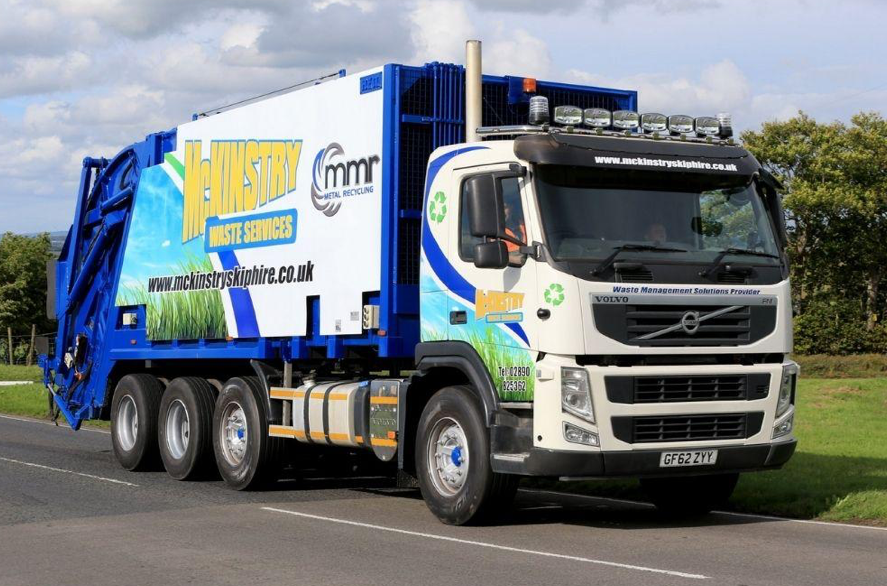
Depending on size and location, machinery may be collected using specialist vehicles and lifting equipment.
Dismantling
Large items are often dismantled to separate valuable recyclable materials.
Material Separation
Metals such as steel, copper, aluminium and stainless steel are sorted into individual recycling streams.
Processing
Recovered metals are processed and prepared for use in future manufacturing projects.
This process ensures materials are kept in circulation for as long as possible while reducing the amount of waste sent to landfill.
The Benefits of Using a Professional Recycling Partner
Industrial machinery can be complex, heavy and difficult to remove safely.
Working with a professional scrap metal Belfast recycling company provides several benefits.
Improved Safety
Specialist teams have the experience and equipment required to handle large machinery safely.
Environmental Responsibility
Licensed recycling facilities ensure materials are processed in accordance with environmental standards.
Efficient Site Clearance
Professional collection services can help minimise disruption and accelerate site clearance projects.
Resource Recovery
Valuable metals can be recovered and reintroduced into the manufacturing supply chain.
Supporting Belfast’s Circular Economy
Recycling redundant machinery does more than free up space on-site.
Every tonne of steel, copper or aluminium that is recovered reduces the need for new raw material extraction and lowers the environmental impact of manufacturing.
This approach forms part of the circular economy, where materials remain in use for as long as possible through reuse, repair and recycling.
By choosing responsible recycling solutions, Belfast businesses can contribute to a more sustainable future while ensuring their unwanted equipment is handled correctly.
Choosing the Right Scrap Yard in Belfast
Not all recycling facilities are equipped to manage industrial machinery.
When selecting a scrap yard Belfast businesses should consider:
- Industry experience
- Collection capabilities
- Licensed facilities
- Environmental standards
- Ability to process a wide range of metals
- Proven experience handling commercial projects
Choosing an experienced recycling partner helps ensure machinery is removed safely, efficiently and responsibly.
Need to Free Up Valuable Space?
Redundant machinery doesn’t have to become a burden. Whether you’re upgrading equipment, clearing a warehouse or managing a factory closure, recycling old machinery is often the most responsible and practical solution.
Industrial equipment contains valuable materials that can be recovered and reused, helping businesses reduce waste while supporting more sustainable manufacturing practices.
At McKinstry Metal Recycling, we work with businesses throughout Belfast and across Northern Ireland to recycle industrial machinery, engineering equipment, warehouse fixtures and other commercial metal assets. With collection services available and a licensed recycling facility in Mallusk, our team can help businesses manage machinery disposal safely and responsibly.
If your business has old machinery taking up valuable space, get in touch with McKinstry Metal Recycling to discuss your recycling requirements and arrange a collection.